

Branding strategist and publicist Pam Perry explains why you should have your own media if you want to get noticed
By Jim James, Founder EASTWEST PR and Host of The UnNoticed Entrepreneur.
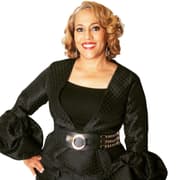
Pam Perry helps business owners and entrepreneurs have their own media. In the new episode of The UnNoticed Entrepreneur, she talked about how doing that can get them noticed.
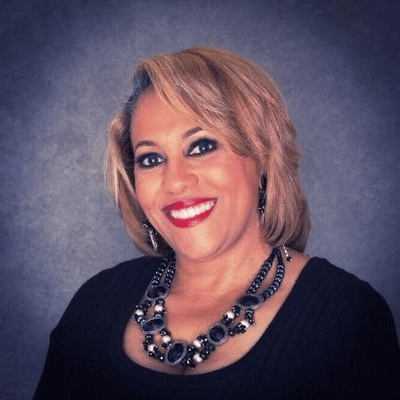
Image from LinkedIn
Positioning Yourself as an Expert
The media — including social media, TV, radio, and print — is looking for stories 24/7. And in order for you to get noticed, you need to be what they call a subject matter expert.
The first part is to become an expert and be positioned as an expert. In today’s world, one of the best ways you can do to achieve that is to have a book.
If you have expertise in a particular topic, translate it into a book format and pitch it to different audiences for them to know that you have expertise. Because, if you’ll notice, the word “authority” has “author” in it. You’d want to be an author so you can get authority and get noticed through traditional media. By having a book, you’ll also have content to share across the internet.
The first step is to write a book. It doesn’t have to be a thick one; it can just be a tips booklet. You can even simply be part of an anthology. The idea is to have something that will be the linchpin of all your other content. You can promote it on your social media accounts. You can write a press release and newsletter, among others.
Having Your Own Channels
Having your own book is one thing. Having your own channels and publications is another. Because if other media won’t pick you up, you have to create your own noise.
You can have your own “newspaper” by writing blogs daily or weekly. You can publish your own digital magazine and post it on Issuu. You can do your own podcast or even have your own TV show.
From radio and TV to print, you can have different channels that you own yourself — thanks to the tools that we have today. Now, the gatekeepers are gone. You don’t have to wait for a television or radio station to offer you an opportunity for an interview. You can create your own media and go straight to your own platform or media outlet.
SPEAKERS Magazine: A Platform for Overlooked Speakers
SPEAKERS magazine, which is “the official publication for Black Speakers Network,” is a big example of an owned channel.
Many times, Black speakers — especially African speakers — don’t get the same shine as other speakers would have. They would pitch and pitch and pitch, but they wouldn’t get noticed. Pam became tired of waiting for the traditional media to give these great speakers a chance, so she thought of creating their own magazine where they can be promoted.
As the publicist of the magazine, she’s keen on promoting the publication and sending it to the media and conference people among others. In other words, she wants to ensure that these speakers get seen.
The magazine, which they publish on Issuu, can also be printed.
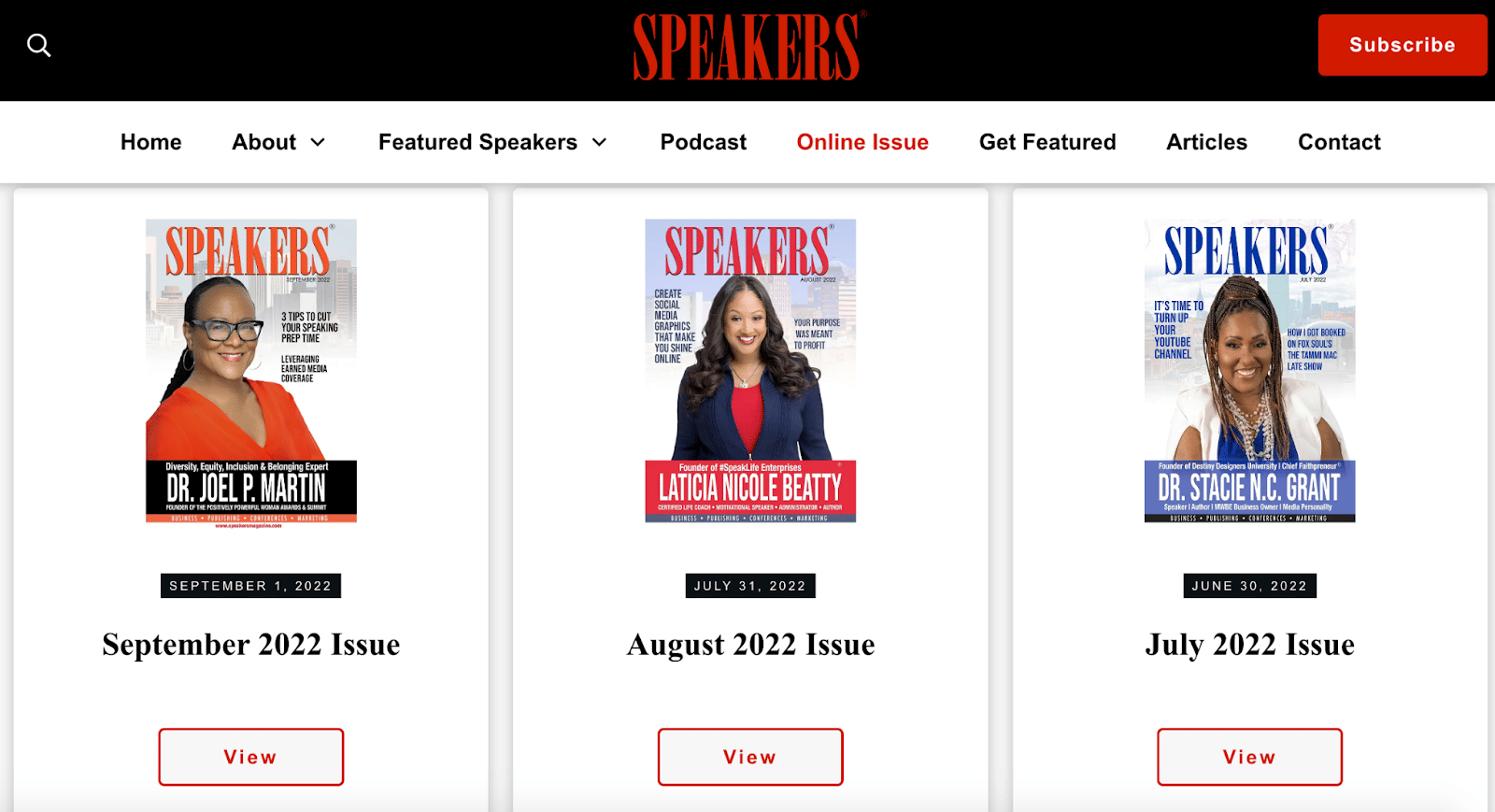
Screengrab from SPEAKERS
SPEAKERS has been running for five years now and gets published every month. The magazine measures about half of the regular 8.5” by 11” paper. And she got the idea from Jet Magazine, which was a digest-size magazine.
SPEAKERS has 16 pages and it typically features two stories and 10 speakers. On the front cover is a speaker whose cover story can be found on the centre spread. The speaker who’s on the cover will usually be holding a conference or event or launching a book or any other endeavour.
Apart from the main story, there will be specific sheets dedicated to other speakers. In it, they can put their bio, photos, social media handles, and how to get in touch with them. They also get to showcase their talking topics.
Pam then sends the magazine to the media and their subscribers. Within it are some articles as well that cover different subjects (e.g. how to create social media graphics that make you shine, how your purpose was meant to help you profit). These are things that speakers need in order to edify themselves, but they also are generally helpful to the public.
The cost of publishing SPEAKERS can be viewed as a part of Pam’s marketing budget in a way. In the magazine, people can see that she is its publicist. She also puts an ad promoting the services that she offers. On the other hand, speakers have to pay to be in a particular issue because the magazine is an advertorial.
Taking both sides into account, the magazine can be considered paid and earned at the same time. And it works like many other magazines and media outlets today: People are paying to be on the covers or an insert in a magazine and be on television shows and podcasts.
Leveraging the Clubhouse App
Pam is also using the audio-based app Clubhouse. There, she has a club called Speaker PR & Branding and she utilises it as a channel for herself and her clients.
Within the club are people who have been featured in the magazine. And through that, you can hear how they sound as they’re sharing their expertise.

Image from Unsplash
The club, which has about 2,000 members, talks about things like public relations, branding, marketing, and revenue generation, among others. It’s hosted every Tuesday and Thursday at 9 p.m. EST.
While they’re streaming during these schedules, they also record and have the recordings transcribed. Then, they turn the transcripts into books, which the speakers can give for free (via their website) and be used for lead generation.
On the Clubhouse app, speakers can also directly connect with other members and send them messages in their inboxes.
Launching an ‘Encore Career’
When people build their own content channels, there’s an opportunity for them to migrate from running a company to actually becoming a brand in their own right — like some sort of an “encore career.
One success story is that of Pam’s client named Dr Geneva Williams.
After 40 years of working in non-profits, she wanted to do something different. Her first venture was creating a podcast about leadership. She drew from her experience as a non-profit leader who has started different non-profit groups in Detroit.
Fifty-two podcast episodes later, she turned them into a book. From there, she had people asking her about what she was offering next. Then, she decided to create an online course called “The Vibrant Life Blueprint,” which talks about how to live a vibrant life.
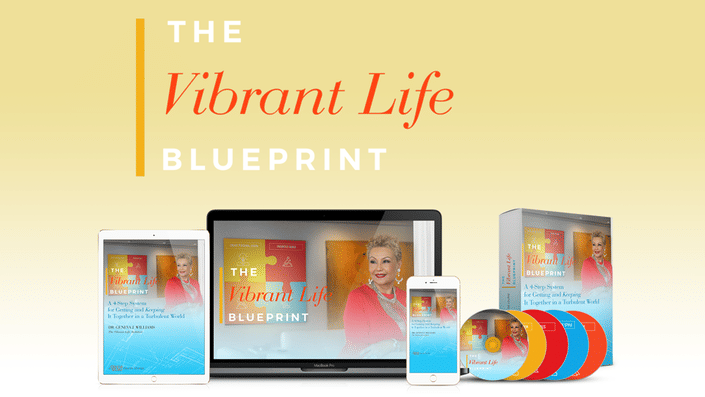
Image from Dr Geneva Speaks
From having a podcast, Dr Geneva went on to have her own books and course offerings. She has also ventured into video, and she’s now streaming on LinkedIn, YouTube, and Facebook. She also has a large following even on TikTok.
Dr Geneva (who is now 70 years old) is an example of someone who had a career that was very traditional but has shifted into having an encore career. Today, she’s doing courses, books, and a lot of shows. She’s also a spokesperson for Sisters from AARP, a website and “weekly newsletter celebrating Black women.”
As a motivational speaker, she wants to share leadership lessons with the younger generation — the Gen Xers and the millennials. She wants to inspire people who feel like they don’t really know what they want to do with their lives. She shows people how they can still have a vibrant life.
Attracting Your Audience
It can be easy to create content. But what’s not easy is to get an audience. Solving that is part of the basic marketing formula.
For instance, if you have a monthly podcast, you can create a press release, put it on newswires, and let people know that you have a podcast and tell them who your guests will be. Though it seems like a simple thing, you’ll be surprised at how other organizations will pick it up.
You can also create a preview or a trailer for your podcast and share that with your own social media tribe.

Image from Unsplash
Owning an email list is also important because you can share with them your content, podcast links, and other medial channels that you own (like YouTube). You can further encourage them to share your content with others as well. Emailing is the simplest way to let people know about your own, paid, and shared media.
Getting Her Brand Noticed
Though she doesn’t consider himself a platform speaker like Les Brown and Tony Robbins, Pam does speak on her expertise. She goes to different conferences — including book and publishing conferences and podcast conferences. Even if it’s paid or not, she does it to get clients. And this is also why she’s adamant about the SPEAKERS magazine.
She also writes books. This, along with speaking, is what got Pam noticed. Apart from these, she’s doing a podcast and a TV show while making sure she’s active on social media.
To learn more about her, visit www.pamperrypr.com.
This article is based on a transcript from my podcast The UnNoticed Entrepreneur, you can listen here.
Cover image by Sergey Zolkin on Unsplash